Lemon Honey: A Sweet, Friendly Handwritten Font
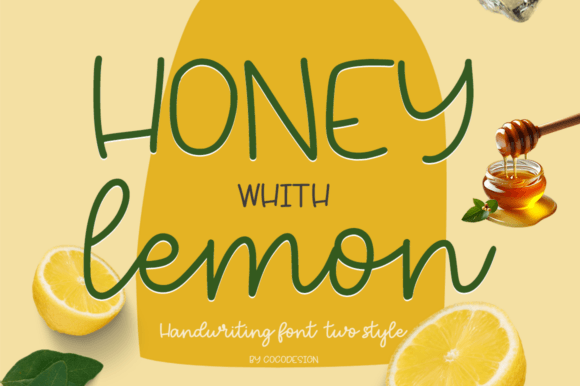
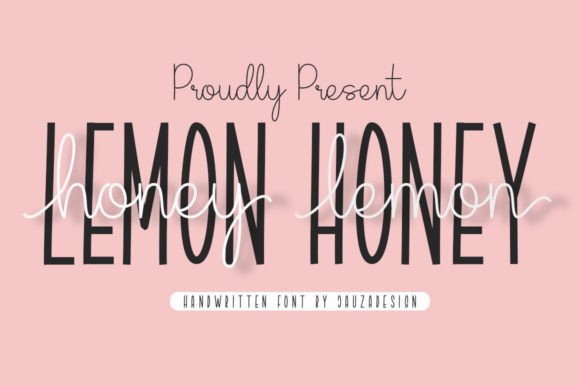
If you’ve ever scrolled through design resources looking for a font that feels warm, personal, and effortlessly charming—Lemon Honey is likely the one you’ve been hoping to find. It’s not just another script font. It’s a carefully crafted handwritten typeface with soft curves, gentle rhythm, and a quiet confidence that makes it stand out without shouting.
Designed to feel like something written by hand with care—not haste—Lemon Honey balances natural imperfection with clean readability. Its letters flow into each other with subtle, intuitive connections, giving text a relaxed yet intentional presence. That’s why it works so well across such a wide range of uses: from elegant wedding invitations to bold fashion editorials, from cozy blog headers to striking album artwork.
What Makes Lemon Honey Special?
At its core, Lemon Honey is friendly. Not cutesy, not overly playful—but genuinely approachable. Its lowercase ‘a’, ‘g’, and ‘y’ have open, airy shapes. Its capitals rise gently, never rigid or imposing. Even at smaller sizes, it retains warmth and legibility—something many handwritten fonts struggle with.
One standout feature is its PUA encoding. This means every alternate glyph, swash, ligature, and stylistic variation is accessible right in your design software—no need for special plugins or complex OpenType panels. Just type, then swap characters using your glyph palette. Want a more decorative ‘t’? A looping ‘f’? A connected ‘Th’ pair? They’re all there, ready to use.
Where Lemon Honey Fits Naturally
You don’t need to be a professional designer to get great results with Lemon Honey. Whether you're crafting a heartfelt note, launching a small business, or designing for a client, this font adapts gracefully:
- Wedding & Event Design: Use it for save-the-dates, ceremony programs, or signage—it adds sincerity and charm without feeling dated or overly formal.
- Creative Branding: Cafés, boutiques, wellness studios, and handmade goods brands often choose Lemon Honey to reflect authenticity and care in their logos or packaging.
- Publishing & Media: Book covers, magazine mastheads, and podcast titles benefit from its inviting tone—especially for memoirs, lifestyle guides, or creative nonfiction.
- Digital Content: Blog headers, Instagram quote graphics, email newsletter banners, and Canva templates gain personality when Lemon Honey replaces generic sans-serifs.
- Film & Music: Indie filmmakers and musicians use it for title cards and album art where mood matters as much as message.
It’s also surprisingly versatile in pairing. Try Lemon Honey with a clean, neutral sans-serif (like Montserrat or Inter) for contrast that feels balanced—not jarring. Or layer it over soft textures, watercolor backgrounds, or muted photography to enhance its organic appeal.
Real-Life Uses You Can Try Today
Let’s say you run a small candle shop. A simple product label with “Lavender + Vanilla” set in Lemon Honey—paired with a thin serif for ingredients—feels artisanal and trustworthy. No extra design skills needed.
Or imagine you're planning your sister’s wedding. Instead of paying for custom calligraphy, you create beautiful place cards in Lemon Honey, adjusting letter spacing for elegance and printing them at home. The result looks thoughtful and personal—not templated.
As a blogger writing about mindful living, swapping your standard headline font for Lemon Honey on key quotes (“Breathe deeply. Begin again.”) instantly adds emotional resonance. Readers pause. They feel the intention behind the words.
Things to Keep in Mind Before You Use It
Lemon Honey shines brightest when used intentionally—not everywhere at once. Because it’s expressive, it works best as a headline, accent, or short-form text. Avoid long paragraphs or dense body copy; its strength lies in impact, not endurance.
Also, while it’s highly legible, some very light-weight versions may fade on low-resolution screens or when printed on textured paper. Always test how it looks in your final medium—especially if you’re ordering physical prints or embedding it in emails.
And remember: licensing matters. Lemon Honey is typically offered with both personal and commercial licenses. If you’re using it for client work, branding, or products you sell, make sure your license covers that use. Most reputable sellers include clear terms—and many offer bundles with matching fonts or bonus assets like dingbats or flourishes.
Why Designers and Non-Designers Love It Alike
For beginners, Lemon Honey lowers the barrier to creating polished, emotionally resonant visuals. You don’t need to master kerning or vector paths to make something beautiful. Type a phrase, pick a few alternate glyphs, adjust size and color—and you’re done.
For professionals, it’s a reliable tool in the kit: expressive enough for high-end projects, flexible enough for quick-turn deliverables. Its PUA encoding saves time during production, and its consistent rhythm makes layout decisions faster.
Most importantly, Lemon Honey supports a growing desire—to make digital and physical spaces feel more human. In a world full of uniform interfaces and algorithm-driven feeds, choosing a font like Lemon Honey is a small but meaningful act of warmth.
A Final Thought
Fonts are more than decoration. They carry tone, suggest values, and shape how people receive your message. Lemon Honey doesn’t try to be everything—it’s not sharp, technical, or futuristic. It’s sweet. It’s friendly. It’s quietly confident in its own voice. And because of that, it helps your voice come through more clearly, too.
Whether you're designing your first Canva post or refining a brand identity for your third startup, Lemon Honey offers a rare combination: ease of use, depth of expression, and timeless appeal. It’s the kind of font that doesn’t distract—it invites.